 Jacksonville Bankruptcy Lawyer Blog


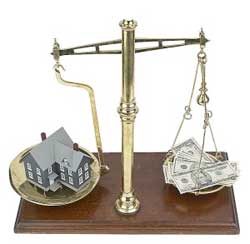 The Tampa Florida Tribune has posted an interesting article about the actual effects of the early stages of the statewide, mandatory foreclosure mediation program. According to statistics compiled by the Tribune, between March and June 2010 there were 13,417 cases referred to mediation statewide. Of those cases only 1%, 768 total, resulted in an agreement between the borrower and the lender!
The primary question many are asking is why is the program not working as intended. While there are several factors that may be contributing to the low success rate of the program, most mediation administrators are point to the sloppiness of the lenders attorneys’ and their process servers as the most obvious reasons for the breakdown of the program. The sloppy paperwork has made it difficult to locate borrowers in order to determine their desire to participate in the mediation program, which is problematic because the mediation program must contact the borrowers within 60 days of the lawsuit being filed or the case goes back to regular court proceedings.
While only 7 of the 20 Florida Circuit Courts submitted data for the Tribune report, there is enough data to determine that there are major flaws in the program. Foreclosure Defense Lawyers think that mediation is a good alternative for many struggling homeowners and hopes the trend reverses. If you are facing a Florida Foreclosure Lawsuit contact us to discuss how foreclosure defense or a bankruptcy may help you.

 In recent weeks bankruptcy courts and the associated United States Trustee Program have begun to increase the scrutiny with which they are looking at requests to proceed with foreclosures and requiring the foreclosing lender to prove that they are the proper party to foreclose on the property. Bankruptcy courts in New Jersey and Georgia have denied to remove the automatic foreclosure stays that are put in place when a court confirms a debtor’s bankruptcy repayment plan because banks have been unable to satisfactorily prove they were the parties that actually owned the mortgages.
 Last week, Washington, D.C. Mayor Adrian M. Fenty signed into law an emergency act aimed at slowing the dramatic rate at which homes in the District of Columbia are being foreclosed upon. The Act, titled “Saving DC Homes From Foreclosure Emergency Act of 2010” puts into place several key processes that lenders and homeowners must complete before a foreclosing on a home and proceeding to a foreclosure sale.
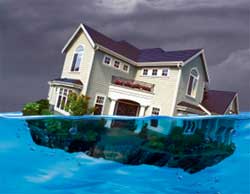 Jacksonville homes underwater. This is a question that we hear often as Jacksonville Bankruptcy and Florida Foreclosure Lawyers. In short, a deficiency judgment is a judgment for a debt that is owed after a foreclosure, i.e. the amount of money the bank was not able to recover after it forecloses on a home. Lenders are even allowed to add interest, fees and other expenses to that amount as long as their is an outstanding deficiency. While some states have laws that prevent lenders from seeking deficiency judgments, Florida is one of the states that does allow deficiency judgments to be pursued.